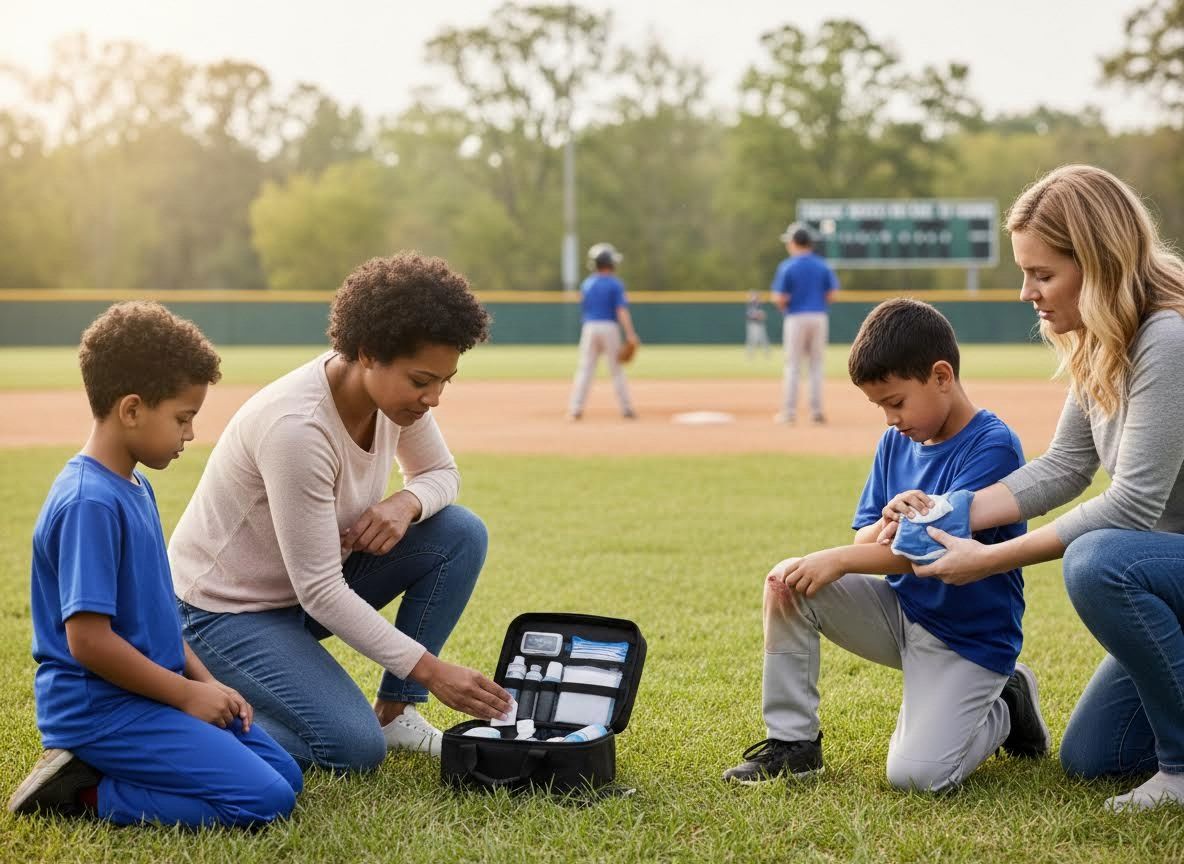
As we gear up for another exciting season of little league baseball, one of the most important aspects of our community is ensuring the safety and well-being of every young athlete. At Quito Saratoga Little League, we're all about fostering fun, teamwork, and skill-building, but we also know that minor bumps and scrapes are a part of playing hard. Being prepared to handle these situations can make all the difference, giving parents peace of mind and keeping the focus on the joy of the game.
Your Essential Fieldside First Aid Kit
Every parent should consider themselves a vital part of the safety team when their child is on the field. Having a well-stocked, portable first aid kit is your first line of defense. Think beyond just a few band-aids. Your kit should include antiseptic wipes, various sizes of adhesive bandages, gauze pads, medical tape, pain relief for minor aches (like acetaminophen or ibuprofen), an instant cold pack, and possibly some non-latex gloves. Don't forget an allergy medication if your child has known allergies, and always keep an updated list of emergency contacts and any critical medical information easily accessible. This simple preparation is crucial for all youth sports.
Handling Common Minor Injuries
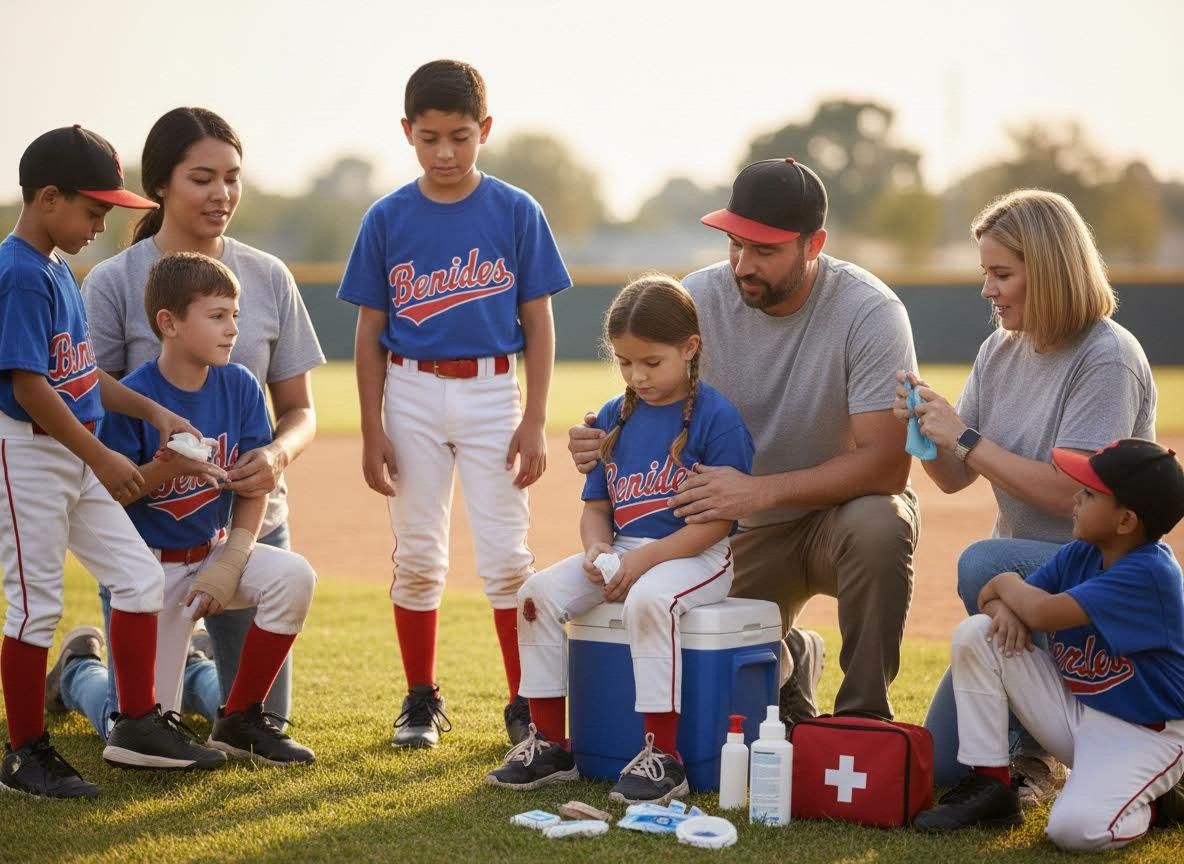
On the baseball diamond, minor injuries can happen quickly. For scrapes and cuts, the immediate goal is to clean the wound thoroughly with antiseptic wipes and cover it to prevent infection. For bumps and bruises, applying an instant cold pack can help reduce swelling and discomfort. In the event of a minor sprain, like a twisted ankle, remember the RICE principle: Rest, Ice, Compression (if possible with an elastic bandage), and Elevation. Always observe the child's reaction; while many little league injuries are minor, some require more attention. For insect stings, clean the area and apply an anti-itch cream.
When to Seek Professional Medical Attention
While many on-field incidents are minor, it's crucial to recognize when an injury requires more than basic first aid. Any head injury, especially if accompanied by dizziness, confusion, or loss of consciousness, warrants immediate professional evaluation. Similarly, suspected broken bones (indicated by severe pain, swelling, deformity, or inability to move a limb) need urgent medical care. If bleeding is profuse and doesn't stop with direct pressure, or if a child experiences a severe allergic reaction, do not hesitate to call emergency services. Always trust your instincts; if you're unsure, it's always better to err on the side of caution. Your swift action can be vital in national youth sports.
Prevention and Communication are Key
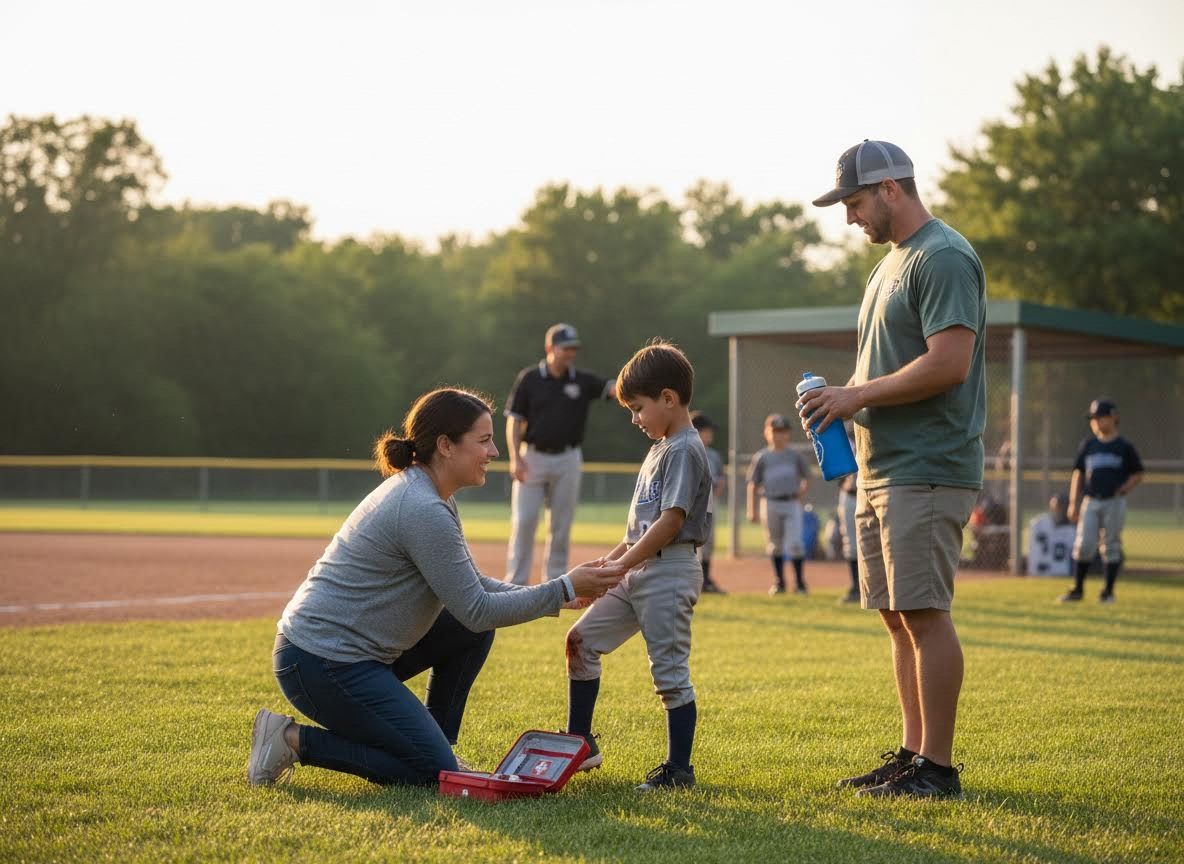
Beyond being prepared for injuries, prevention plays a huge role in keeping our young athletes safe. Ensure your child stays hydrated throughout practices and games, especially on warm days. Sunscreen is a must to protect against sunburn. Open communication with coaches about any existing medical conditions or allergies your child has is also paramount. Understanding the little league environment and its potential risks allows us all to work together to create a safer space for everyone. Familiarize yourself with emergency procedures and the location of nearby medical facilities.
Ensuring a safe and fun environment for our players is a community effort, and parents are at the heart of that commitment. By equipping yourself with a basic first aid kit, knowing how to handle common minor injuries, and understanding when to seek professional help, you contribute significantly to the well-being of all participants in little league. Quito Saratoga Little League is dedicated to providing an organized and supportive program, and your preparedness enhances that mission for every child. To learn more about our safety guidelines and how we prioritize player well-being, we invite you to explore the resources available on our website.