Playing youth sports offers incredible benefits, from building teamwork and sportsmanship to developing physical skills and lasting friendships. As parents, ensuring our children's safety is always the top priority, and understanding potential risks like concussions is vital in any athletic endeavor, including little league. At Quito Saratoga Little League, we are deeply committed to providing a fun, safe, and supportive environment for every child who steps onto our fields. This guide will help parents navigate the important topic of concussion awareness in national youth sports.
What Exactly is a Concussion?
A concussion is a type of traumatic brain injury caused by a bump, blow, or jolt to the head or body that causes the head and brain to move rapidly back and forth. This sudden movement can cause the brain to bounce around or twist in the skull, stretching and damaging brain cells and creating chemical changes in the brain. Concussions are common in youth sports and can happen without direct impact to the head or loss of consciousness. It's crucial to understand that even a seemingly minor hit can result in a concussion, especially in growing athletes.

Recognizing the Signs and Symptoms
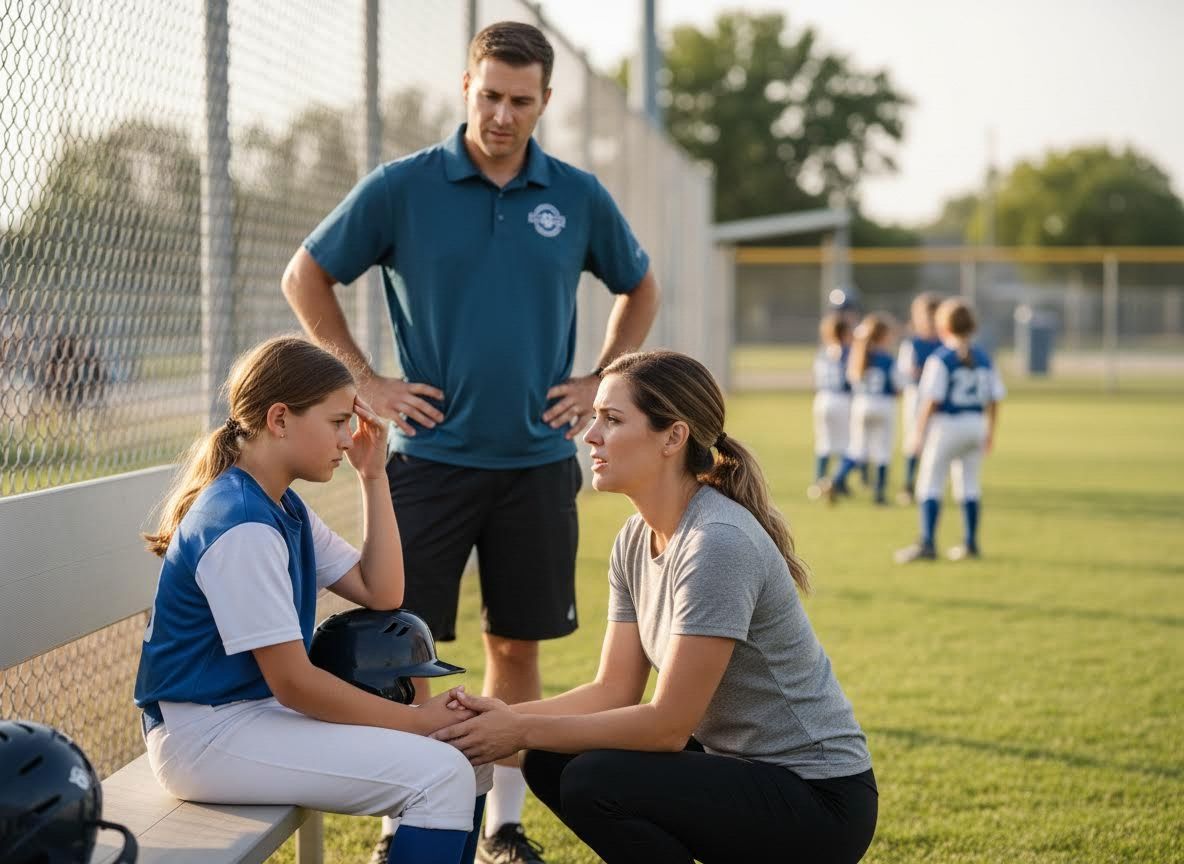
Identifying a concussion can sometimes be tricky because symptoms can vary greatly and may not appear immediately. As parents and coaches, being vigilant is key. Signs you might observe include a dazed appearance, confusion, forgetfulness, clumsy movements, slow responses, or changes in behavior, mood, or sleep patterns. Your child might report symptoms such as a headache, nausea, dizziness, sensitivity to light or noise, feeling foggy, or difficulty concentrating. If you notice any of these signs or symptoms after a potential head injury, it's essential to act promptly.
The Critical Rule: "When in Doubt, Sit Them Out!"
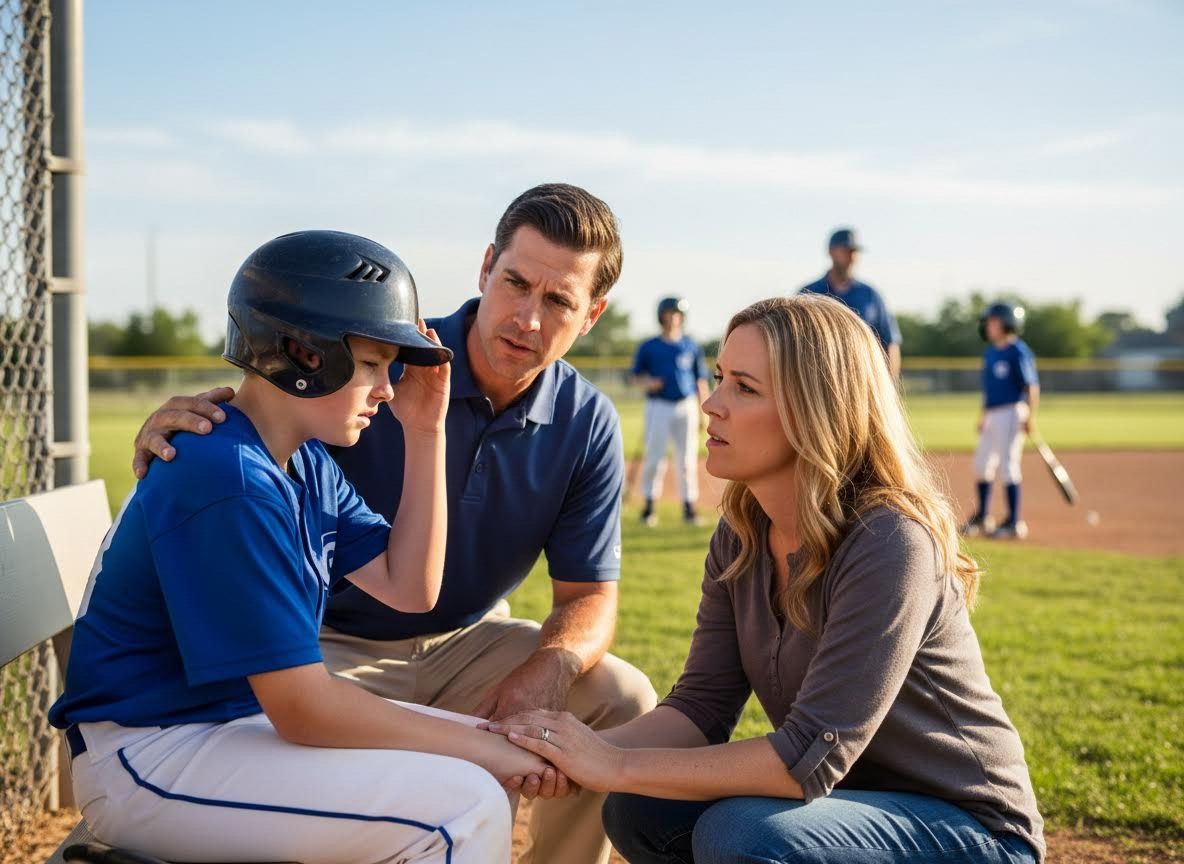
This phrase is the golden rule in managing suspected concussions in any youth sports setting, including little league baseball. If there is any suspicion that a child has sustained a concussion, they must be immediately removed from play and not allowed to return on the same day. Continuing to play with a concussion puts the athlete at serious risk for more severe, prolonged symptoms or, in rare cases, Second Impact Syndrome, which can be life-threatening. This immediate removal from play is not only for their short-term safety but also for their long-term brain health and recovery.
Navigating Safe Return to Play
Once a concussion is suspected, the next step is a prompt medical evaluation by a qualified healthcare professional. They can properly diagnose the concussion and provide guidance on recovery. A safe return to play protocol is always gradual and supervised, ensuring the athlete progresses through different stages without worsening symptoms. This typically involves complete physical and cognitive rest initially, followed by light aerobic activity, sport-specific exercise, non-contact training, and finally, full contact practice, all while being symptom-free at each step. This structured approach helps ensure a full recovery before returning to the competitive environment.
Commitment to Safety in Youth Sports
Understanding concussion awareness is a vital part of supporting our young athletes as they develop skills and build character. At Quito Saratoga Little League, we prioritize the health and well-being of every participant, providing a supportive community where kids can thrive safely. We encourage all parents to familiarize themselves with these guidelines and discuss any concerns with our coaching staff or league officials. For more information on our safety protocols and what we do to protect our players, please visit our website.